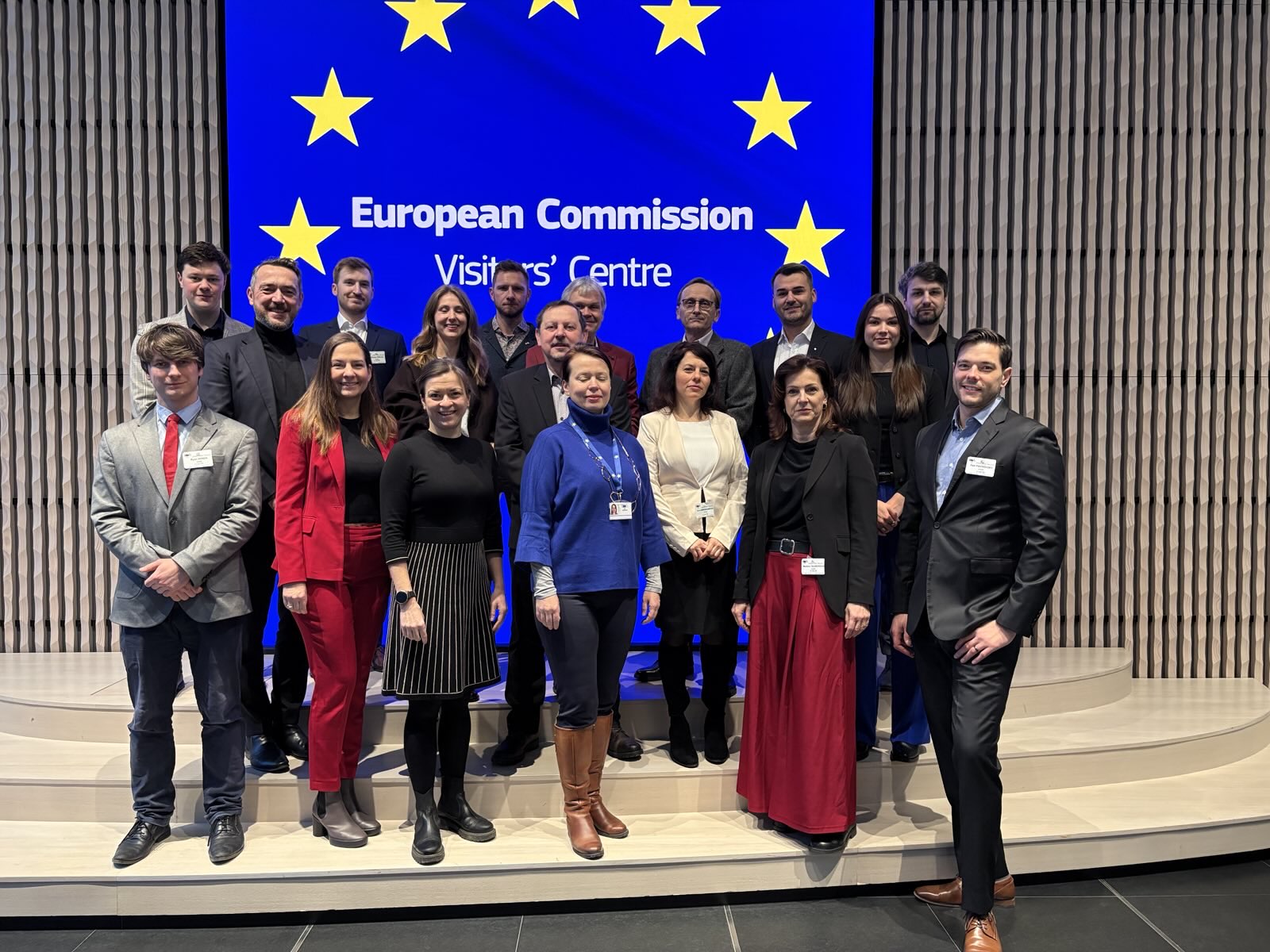
From 26 to 28 January 2026, a study visit to Brussels took place focusing on the functioning of the European Union in the fields of defence, security, and foreign policy. The programme offered participants the opportunity to gain insight into the work of key European institutions and to discuss current security challenges directly with their representatives.
Participants in the study visit represented a broad spectrum of institutions and organisations from the public sector, private sector, and academia, including representatives of the University of Defence.
European External Action Service (EEAS)
The study programme began at the European External Action Service (EEAS), the EU’s diplomatic service. Tomáš Šindelář, Deputy Head of the Sanctions Division, spoke about the EEAS’s role and political priorities. He was followed by Pavlína Rehor, who presented EU security and defence policy from the perspective of cooperation with Ukraine and the field of defence innovation.
European Defence Agency (EDA)
The theme of strengthening European defence capabilities continued with a visit to the European Defence Agency (EDA). Cristian Contan from the Executive Director’s Office outlined the agency’s mission, its priorities, and the practical impacts of cooperation among Member States in the field of defence.
The Czech Perspective on EU Security Policy
A discussion at the Permanent Representation of the Czech Republic to the EU offered a view of European security policy from a national perspective. Petr Svačina, Ambassador to the Political and Security Committee, addressed current security issues and the Czech Republic’s role in responding to them.
The European Commission and the Future of EU Security
The second day was devoted to the European Commission. Vilém Kolín from the Directorate-General for Defence Industry and Space explained the Commission’s role in European defence policy. The topic of EU enlargement as a security factor was introduced by Karolína Kottová, Deputy Head of the Cabinet of the Commissioner for Enlargement, Marta Kos.
Marek Nohejl, a member of the cabinet of Budget Commissioner Piotr Serafin, spoke about the future EU budget and aspects of defence financing. The programme also included a discussion with Simonas Satunas, Head of Cabinet of the Commissioner for Defence and Space, Andrius Kubilius.
EU Response to Crises and Emergencies
The study visit also included a visit to the Emergency Response Coordination Centre (ERCC). Magda Morbach presented the functioning of the EU Civil Protection Mechanism and the centre’s role in coordinating assistance during crisis situations.
The European Parliament and Political Debate on Security
The third day was dedicated to the European Parliament. An introduction and guided tour of the plenary chamber was led by Vladimír Žižka from the Visitors’ Centre. This was followed by discussions with Members of the European Parliament Alexandr Vondra (ODS–ECR), Jaroslava Pokorná Jermanová (ANO–PfE), and Tomáš Zdechovský (KDU-ČSL–EPP), who addressed security, defence, and related political issues.
NATO and Transatlantic Cooperation
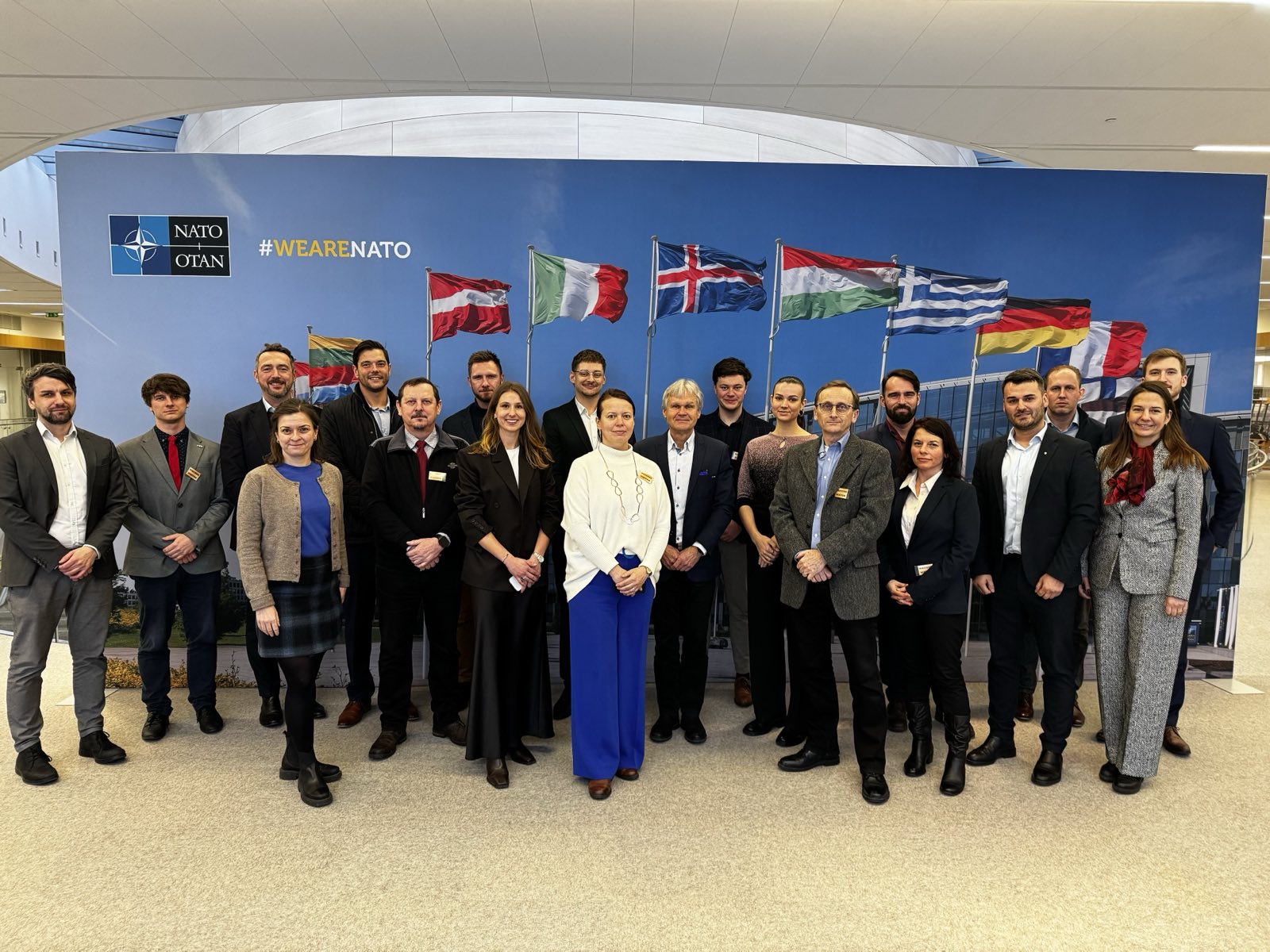
The study visit concluded with a visit to NATO, where Ambassador David Konecký, Permanent Representative of the Czech Republic to NATO, discussed the Alliance’s role and the Czech Republic’s involvement.
The study visit to Brussels offered participants a comprehensive overview of current challenges in European security and defence and enabled direct dialogue with key actors at both EU and NATO levels.
Author: editors